Understanding Kwan Yin Meaning: The Bodhisattva of Compassion
When I first encountered a Kwan Yin statue in a small temple in Taiwan, I felt an inexplicable calm. Her downcast eyes and gentle smile seemed to hold centuries of compassion. To understand the kwan yin meaning is to open yourself to the principle of boundless kindness that she embodies. In Mahayana Buddhism, Kwan Yin (also spelled Guanyin or Kuan Yin) is the bodhisattva of compassion — one who has attained enlightenment but chooses to remain in the world to help all beings. Her name translates to "one who hears the cries of the world." This is the core of the kwan yin meaning: listening with an open heart and responding with mercy.
The origins of this beloved figure trace back to the Indian male bodhisattva Avalokiteshvara. As Buddhism traveled along the Silk Road to China, Avalokiteshvara transformed into the female Kwan Yin, a shift that reflects Chinese culture's reverence for maternal compassion. This evolution added not just universal compassion but also the tender care of a mother for her child. This duality makes her accessible to seekers from all walks of life.
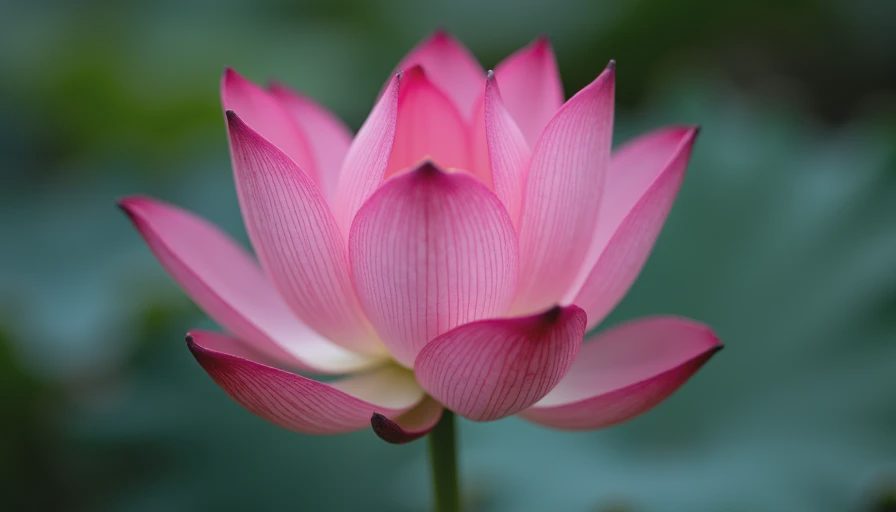
In Chinese Buddhist iconography, Kwan Yin is often depicted holding a vase of pure water and a willow branch. The water symbolizes purification and the willow represents flexibility — qualities that are central to her essence. She stands or sits on a lotus throne, untouched by the muddy world yet rooted in it. The lotus itself is a powerful symbol of spiritual growth emerging from difficulty. These attributes together tell us that compassion is not weakness but a resilient, active force. Her willow branch reminds us that compassion bends rather than breaks.
The Origins of Kwan Yin Meaning
The journey from Avalokiteshvara to Kwan Yin is a story of cultural translation. In India, Avalokiteshvara was depicted as a male deity with multiple arms and heads, symbolizing his ability to see and help everywhere. When Buddhism reached China, artists began to portray the bodhisattva with increasingly feminine features. By the Tang dynasty, Kwan Yin had become a female figure, often wearing flowing robes and a white veil. This transformation deepened the kwan yin meaning by adding qualities of nurturing and empathy traditionally associated with femininity in Chinese culture. The Lotus Sutra describes Avalokiteshvara's ability to take any form to help beings, a flexibility mirrored in her all-embracing compassion. Temples dedicated to Kwan Yin became places of pilgrimage for those seeking solace.

Symbolism and Attributes of Kwan Yin
Every aspect of Kwan Yin's iconography carries meaning. Her thousand arms represent her ability to reach out to countless beings in need. Each hand holds a different implement — a sword to cut through ignorance, a lotus for purity, a bow and arrow to shoot down suffering. In this form, the kwan yin meaning becomes an active force of liberation. Her eleven faces allow her to see suffering in all directions. In simpler depictions, she holds a child, echoing the folk tradition of Kwan Yin as a giver of children and a protector of families. Thus, she is both a transcendent spiritual guide and an intimate household protector. In my meditation corner, the small white porcelain Kwan Yin serves as a daily reminder to approach difficulties with patience rather than frustration. Another common depiction shows her seated on a rock by the sea, listening to the waves — a metaphor for her compassionate ear.
How Kwan Yin Meaning Enriches Modern Life
In our fast-paced world, the kwan yin meaning offers a counterweight. To embody her compassion means to pause before reacting, to listen more than we speak. Many people place a Kwan Yin statue in their home as a focus for meditation or simply as a visual anchor for calm. I once visited a friend who had a large wooden Kwan Yin in her entryway. She told me that whenever she felt overwhelmed, she would look at the statue's calm expression and her day would shift. Her presence is a reminder to choose compassion over reactivity. Many people also use an image of Kwan Yin as their phone wallpaper, a daily reminder of compassion. The kwan yin meaning is not just an ancient concept — it is a living practice.
Different Manifestations of Kwan Yin
Kwan Yin appears in many forms across Buddhist art. The thousand-armed form is one of the most powerful, representing her ability to reach all beings. Another is the fish-basket Kwan Yin, a folk tradition where she appears as a fisherman's daughter to teach compassion. Each manifestation adds depth to the kwan yin meaning.
Frequently Asked Questions About Kwan Yin Meaning
Is Kwan Yin a goddess? In Buddhism, she is a bodhisattva, not a goddess. However, in Chinese folk religion, she is often worshipped as a compassionate deity. The kwan yin meaning bridges both traditions.
What does Kwan Yin hold in her hands? The most common items are a vase of pure water and a willow branch. The water symbolizes compassion, and the willow represents flexibility — both central to her essence.
Can anyone honor Kwan Yin? Absolutely. Her compassion is universal, welcoming all regardless of background or belief.
Bringing Kwan Yin Into Your Home
Choosing a Kwan Yin statue for your space is an act of intention. You might select a small bronze figure for a shelf or a larger stone one for a garden. Wherever you place her, let her serve as a gentle reminder of the compassion you wish to cultivate. Her meaning becomes personal when you integrate her presence into your daily rituals. Perhaps you light a candle near her image, or simply pause to notice her serene expression. In doing so, you create a small sanctuary of peace. Online stores offer a wide range of Kwan Yin statues, from antique bronze to modern ceramic.


No letters yet — be the first to write.