The Kuan Yin Buddha: A Symbol of Compassion and Inner Peace
There is a gentle presence that has watched over homes for centuries, a figure carved in wood, cast in bronze, or painted on silk. The Kuan Yin Buddha, known also as the Goddess of Mercy, embodies the boundless compassion that lies at the heart of Buddhist practice. You may have seen her seated in quiet meditation, or standing with a serene smile, a vase of pure water in one hand and a willow branch in the other. Each detail carries meaning. She is not simply a statue but a reminder to pause, to soften, and to extend kindness to ourselves and others.
I first encountered a Kuan Yin Buddha in a small temple in the hills outside Chengdu. She was half the height of a person, carved from camphor wood and darkened by decades of incense smoke. The air was thick with sandalwood. I sat on a worn cushion and watched sunlight move across her face. In that stillness, something shifted. I carried that feeling home with me, and soon a small ceramic Kuan Yin Buddha found a place on my nightstand.
Who Is Kuan Yin Buddha?
To understand the Kuan Yin Buddha, you must first know that she is not a historical Buddha like Shakyamuni. Instead, she is a bodhisattva—one who has attained enlightenment but chooses to remain in the world to help all beings achieve liberation. The name Kuan Yin is short for Kuan Shih Yin, which means "one who perceives the sounds of the world." She hears the cries of suffering and responds with unconditional compassion.
In Chinese Buddhism, Kuan Yin is often depicted as a female figure, though earlier Indian and Tibetan traditions present her as male. Over centuries, the feminine form took hold in East Asia, perhaps because her qualities of mercy and nurturing resonated with that image. She is frequently shown holding a lotus, a symbol of purity, or a small child, representing the gift of life.
Bringing the Kuan Yin Buddha Into Your Home
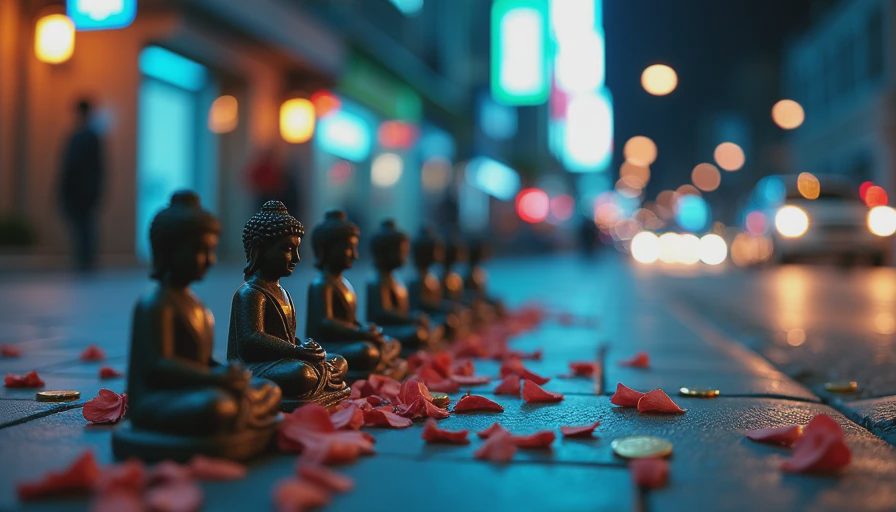
Adding a Kuan Yin Buddha to your living space is an act of intention. She is not merely decor; she is an anchor for mindfulness. Place her in a spot you pass daily—a hallway table, a corner of your study, or a small altar. Let her be the first thing you see when you wake or the last before sleep.
Choose a material that speaks to you. A white porcelain Kuan Yin Buddha feels cool and luminous, perfect for a minimalist bedroom. A dark bronze one grounds a meditation corner with weight and history. Wooden carvings bring warmth and texture. Each material changes the energy of the piece. I have a small jade version that I hold in my hands during difficult moments. The stone stays cool, and over time it has absorbed the warmth of my palm.
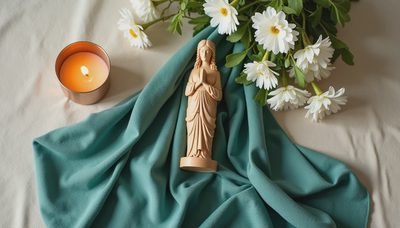
Size matters less than placement. A tiny Kuan Yin Buddha on a windowsill catches the morning light and casts a long shadow. A large one dominates a room with quiet authority. Do not crowd her with clutter. Give her space to breathe. A single fresh flower beside her is enough.
Choosing the Right Kuan Yin Buddha Statue
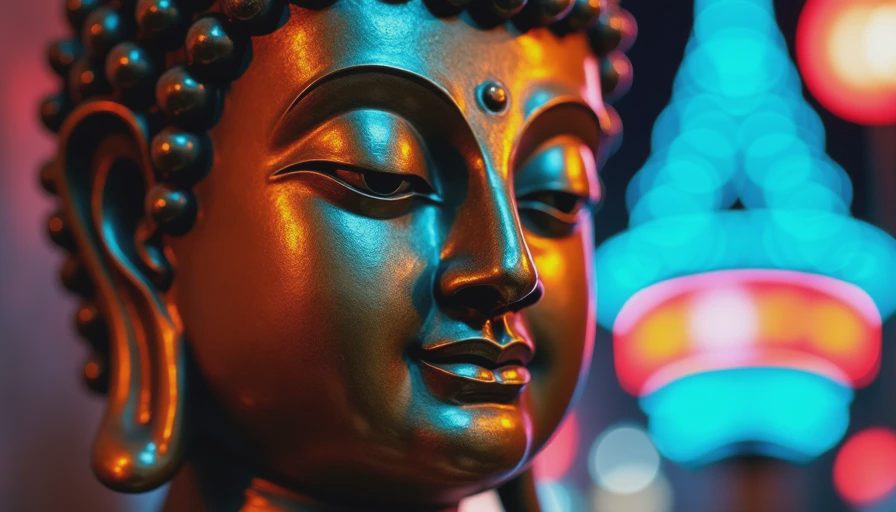
When selecting a statue, look for the mudra, or hand gesture. The most common is the gesture of granting wishes, with the right hand raised, palm outward. Another shows her holding a lotus bud, a sign of hope and spiritual growth. The expression on her face should be peaceful, not stern. A well-crafted Kuan Yin Buddha will have a subtle smile that changes with the light.
Avoid mass-produced pieces that feel hollow or garish. Instead, seek out artisan work—carved by hand, with visible tool marks and natural imperfections. These imperfections are part of wabi-sabi, the Japanese aesthetic of finding beauty in the flawed and impermanent. A Kuan Yin Buddha that shows her age, with a patina developing or a chip on her robe, carries more presence than a factory-perfect copy.
Caring for Your Kuan Yin Buddha
Treat her with respect. Dust her gently with a soft cloth. If she is ceramic or stone, rinse her with clean water once a month. Some people burn incense nearby, letting the smoke rise past her and fill the room. Others offer a bowl of rice or fresh fruit on special days. This is not about worship in a religious sense but about honoring the quality you invite into your life: compassion.
I have seen Kuan Yin Buddha statues in gardens, weathered by rain and wind, their features softened by time. They seem to belong there, nestled among moss and ferns. If you place yours outdoors, choose a spot that is sheltered but visible. Let her be part of the natural cycle of seasons.
The Deeper Meaning of the Kuan Yin Buddha
The Kuan Yin Buddha is ultimately a mirror. When you look at her, you are reminded of your own capacity for compassion. She does not ask you to be perfect, only to listen—to the sounds of the world, to your own heart. She is a presence that asks nothing but to be seen. And in that seeing, a quiet transformation begins.
In her hands, there is room for all of us. In her stillness, there is rest. If you feel called to bring a Kuan Yin Buddha into your home, trust that instinct. She will arrive with no demands, only the gift of her company. And over time, her grace will soften the edges of your days.

No letters yet — be the first to write.