When you first encounter a statue of Kuan Yin, there is a stillness that settles over you. She sits or stands in flowing robes, eyes half-closed, one hand raised in a gesture of reassurance. In kuan yin buddhism, this figure is not just a deity but a living presence—the embodiment of compassion itself. Known across East Asia as the Bodhisattva of Compassion, Kuan Yin hears the cries of the world and responds without judgment. For those drawn to a spiritual practice rooted in kindness and awareness, understanding kuan yin buddhism offers a doorway into a gentler way of being. Whether you are new to Buddhist concepts or revisiting them with a deeper curiosity, Kuan Yin's story invites you to slow down and listen.
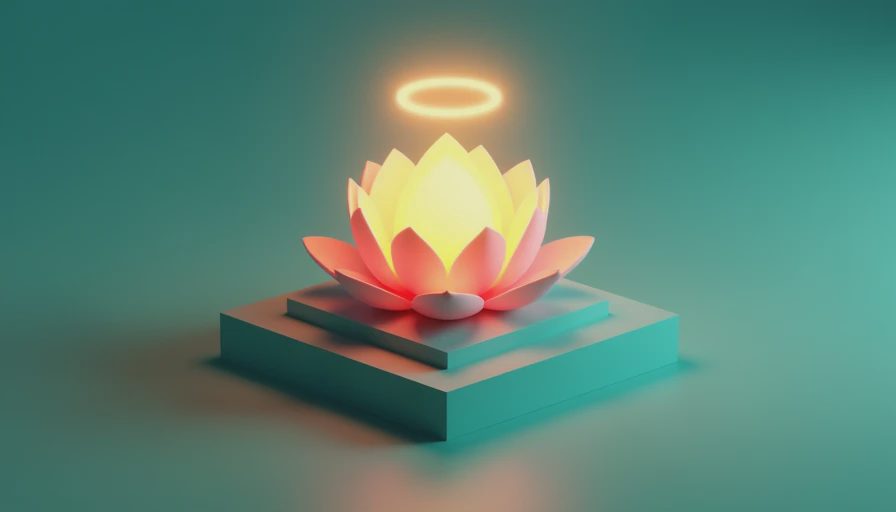
Who Is Kuan Yin in Buddhism?
Kuan Yin (also spelled Guanyin or Kwan Yin) is a bodhisattva—one who has attained enlightenment but chooses to remain in the cycle of rebirth to help all beings achieve liberation. In kuan yin buddhism, she is revered as the embodiment of Avalokiteshvara, the male bodhisattva of compassion who was transformed into a female figure in Chinese tradition. Her name means “the one who perceives the sounds of the world.” Every cry of pain, every whispered prayer, is heard. This makes her profoundly accessible. You do not need a temple or a formal teacher to call on her. A quiet room, a sincere heart, and a whispered name are enough. In many households, a small statue or scroll of Kuan Yin sits on a shelf or altar, a daily reminder to practice patience and empathy. The practice of kuan yin buddhism is not about worship in the Western sense but about aligning your own heart with the same boundless compassion.
The Visual Language of Kuan Yin
Every detail of Kuan Yin's traditional iconography carries meaning. She often holds a vase of pure water, symbolizing the cleansing of suffering. A willow branch in her hand represents flexibility and resilience—bending without breaking. Sometimes she is shown with a thousand arms, each with an eye in the palm, reaching out to countless beings at once. These arms are not literal but poetic: they tell us that compassion is not limited by time or distance. In kuan yin buddhism, these symbols are not decorative. They are teaching tools, meant to quiet the rational mind and speak directly to the heart. When you place a Kuan Yin image in your space, you invite that energy into your daily life. The water, the willow, the many arms—each one whispers that you are not alone, and that your own capacity to care for others is far greater than you imagine.

How Kuan Yin Buddhism Can Shape Your Home and Practice
Integrating the spirit of kuan yin buddhism into your home does not require a dedicated altar or expensive ritual objects. It can begin with a single image placed where you will see it each morning—on a windowsill, a bookshelf, or a nightstand. Before you rush into the day, pause for a breath. Let her calm gaze remind you that compassion starts with yourself. Many people find that a simple practice of lighting a candle or offering a flower to a Kuan Yin statue helps them transition from the noise of the outside world to a quieter inner space. In kuan yin buddhism, the focus is on embodiment, not doctrine. The question is not “Do I believe the right things?” but “How can I respond to this moment with kindness?” Over time, that question reshapes your habits. You speak more gently, listen more fully, and forgive more quickly.
A Path for Modern Seekers
For the modern reader searching for depth in a fast-paced world, kuan yin buddhism offers a practice that is both ancient and urgently relevant. It does not demand that you renounce your life or adopt a new identity. Instead, it invites you to see your existing relationships, work, and daily routines as the very ground of spiritual growth. When you are stuck in traffic, can you feel compassion for the other drivers? When a colleague speaks harshly, can you sense their hidden pain? This is the living heart of kuan yin buddhism—not a retreat from the world, but a way of moving through it with open eyes and a tender heart. If you are drawn to a slower, more intentional life, let Kuan Yin be your quiet companion. She asks nothing of you except that you try, again and again, to be kind.
A Simple Daily Ritual to Connect with Kuan Yin
Building a personal connection with Kuan Yin does not require elaborate ceremonies. Try this simple ritual that anyone can do in five minutes. Find a quiet spot where you will not be disturbed. Place a small image or statue of Kuan Yin in front of you. Light a candle or a stick of incense if you have one. Take three deep breaths, letting your shoulders drop. Then, in your own words, speak a heartfelt request or simply say her name. You can recite the popular mantra "Om Mani Padme Hum" or just sit in silence, imagining a soft white light emanating from her heart into yours. The key is consistency—doing this at the same time each day, even for just a few minutes, creates a rhythm that deepens your awareness. In kuan yin buddhism, the emphasis is on sincere intention rather than perfect form. Over weeks, you may notice that her qualities of patience and compassion begin to surface naturally in your interactions. This practice is a gentle anchor, reminding you that no matter what chaos swirls around you, there is always a still point within.
Final Thoughts
The beauty of kuan yin buddhism is that it does not require a conversion or a new set of rules. It is already present in your own innate capacity to care. Whether you are just beginning to explore Buddhist ideas or deepening a long-held practice, Kuan Yin stands ready to guide you—not with words, but with the silent, steady presence of compassion itself.

No letters yet — be the first to write.