Chinese Kwan Yin: Meaning, Symbolism, and How to Welcome Compassion Into Your Home
There is a quiet presence that has graced altars, meditation corners, and entryways for centuries. She is Chinese Kwan Yin, the bodhisattva of compassion. In her serene gaze and gentle posture lies an invitation to pause, to breathe, and to remember that kindness begins within. For those drawn to Eastern aesthetics and mindful living, a Kwan Yin statue or image can become a focal point for daily intention—a silent reminder of the tenderness we can offer ourselves and others.

The Story of Kwan Yin
Kwan Yin, also known as Guanyin or Avalokiteshvara in Sanskrit, is a central figure in Mahayana Buddhism. While originally depicted as male in Indian traditions, in China the bodhisattva gradually transformed into a feminine form—a motherly figure of mercy and protection. The name means "the one who hears the cries of the world." According to legend, she vowed to remain in the earthly realm until all beings are freed from suffering. This selfless dedication resonates deeply with those seeking to cultivate compassion in their own lives. A Chinese Kwan Yin statue is not merely a decorative object; it is a symbol of that profound commitment.
Symbolism in Posture and Objects
Every detail of a Chinese Kwan Yin figure carries meaning. She is often shown seated in a royal ease pose, one leg folded, the other dangling, suggesting relaxation and approachability. In her hands she may hold a vase of pure water, symbolizing the cleansing of negative emotions, or a willow branch, representing flexibility and the ability to bend without breaking. A lotus flower at her feet or in her hand signifies purity rising from muddy waters. If she is depicted with many arms, each hand holds a different tool to help sentient beings. When you place a Chinese Kwan Yin in your home, you invite these qualities—purity, flexibility, compassion—into your space.
Bringing Kwan Yin Into Your Space
Where you position your Chinese Kwan Yin matters. In feng shui, she is associated with nurturing energy and protection. A common placement is the entryway, where she can greet all who enter with calm welcome. A meditation room or quiet corner is also ideal—a place where you can sit with her presence during morning reflection. Materials vary from ceramic to wood to resin, but what matters most is intention. Choose a figure that speaks to you, one whose expression feels kind and steady. A well-chosen Chinese Kwan Yin statue becomes an anchor for your practice, a visual cue to return to your breath amid the day's chaos.

Choosing the Right Kwan Yin Statue for Your Home
Statues of Chinese Kwan Yin come in many forms. The most common is the seated Kwan Yin on a lotus base, radiating stillness. There is also the standing Kwan Yin, often holding a vase and willow branch, as if ready to move through the world spreading compassion. Some depict her with a child, known as Songzi Guanyin, associated with fertility and family harmony. For a minimalist decor, a simple white ceramic figure captures her essence without clutter. If you prefer a more traditional look, a hand-painted porcelain statue with gold accents brings an heirloom quality. When selecting your Chinese Kwan Yin, consider both aesthetic harmony and the energy you wish to cultivate.
Living With Intention: Kwan Yin as a Daily Reminder
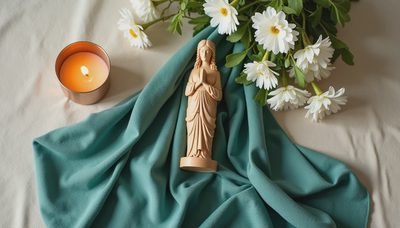
A Chinese Kwan Yin is more than decor—she is a companion on the journey toward a more mindful life. Each time you pass her image, you can pause and take one conscious breath. You might light a small candle or offer a flower at her feet. In moments of frustration or fear, her serene expression can soften your heart. This is the quiet power of a sacred object: it holds space for your best intentions. By welcoming Chinese Kwan Yin into your home, you choose to surround yourself with beauty and meaning. And in that choice, you begin to embody the very compassion she represents.
Caring for Your Kwan Yin Statue: Simple Rituals
Once you bring a Kwan Yin statue into your home, a small ritual can deepen your connection. Each morning, gently dust the figure with a soft cloth, as if wiping away the cares of the previous day. You might place a fresh flower at her feet or a single tea light candle nearby. The act of tending to the statue becomes a meditation in itself. If your statue is made of ceramic or porcelain, avoid harsh chemicals—just a damp cloth is enough. Some people like to speak a quiet intention while cleaning, such as “May I be compassionate to myself and others.” Over time, this simple practice transforms the statue from an object into a living symbol. For those who wish to offer a more formal gesture, you can set up a small altar with a few meaningful items: a bowl of water, a small incense holder, or a bell. The key is consistency—the daily return to this space nurtures the energy of compassion in your home. A Kwan Yin statue is not meant to be ignored; it invites you to slow down and remember what matters. Whether you have a large carved figure or a small resin piece, the same principle applies: treat it with reverence, and it will reflect that care back into your life.
Many people wonder: Should I place Kwan Yin facing the door or away? In feng shui, she can face the entry to welcome good energy, but avoid placing her directly in line with a bathroom or kitchen stove. Another common question is whether to display her alone or with other figures. A single Kwan Yin statue creates a strong focal point, but you may also group her with a small Buddha or a lotus candle for a harmonious arrangement.


No letters yet — be the first to write.