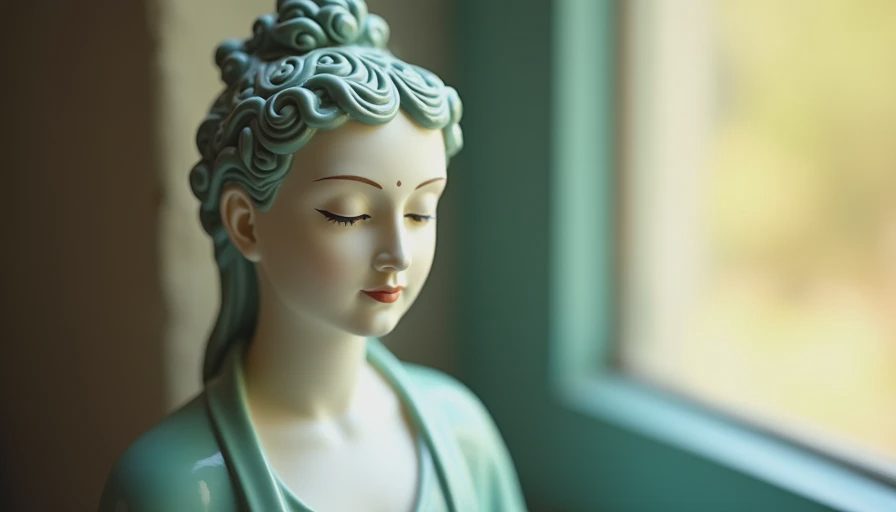
There is a quiet presence that has graced meditation corners, altars, and gardens for centuries. The Kuan Yin goddess, known as the embodiment of compassion and mercy in East Asian Buddhism, offers a gentle reminder to slow down and open the heart. Her serene face, often depicted with downcast eyes and a slight smile, seems to see through the noise of daily life into something deeper. Whether you are drawn to her spiritual meaning or simply to the calm her image exudes, inviting a representation of Kuan Yin into your home can shift the energy of a room.

The Origins and Symbolism of Kuan Yin Goddess
The Kuan Yin goddess (also spelled Guanyin) originated in Mahayana Buddhism as the bodhisattva Avalokiteshvara, who vowed to help all beings achieve enlightenment. Over centuries, this figure transformed from a male deity into a female one in Chinese tradition, taking on the name Kuan Yin, meaning "one who hears the cries of the world." Her thousand arms and eyes symbolize an all-seeing, all-reaching compassion. In art, she is often shown holding a lotus, a willow branch, or a vase of pure water, each object carrying its own layer of meaning. Understanding these symbols deepens your connection to her image and the energy she represents.
How to Honor Kuan Yin Goddess in Your Home
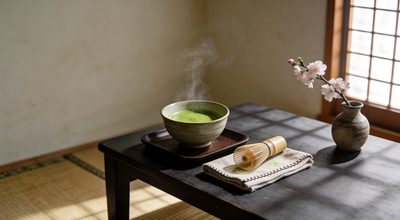
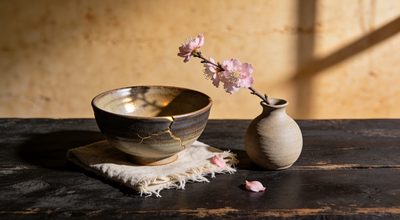
You do not need a formal altar to invite her presence. A small Kuan Yin statue placed on a windowsill, a shelf, or a nightstand can serve as a daily anchor for mindfulness. Choose a spot where you will see it often — perhaps near your meditation cushion, beside a stack of books, or in a reading nook. The act of noticing her serene expression can become a silent cue to take a deep breath. Many people surround her image with objects that hold personal meaning: a dried flower, a smooth stone, a tea bowl. The arrangement does not have to be perfect. What matters is the intention behind it.
Materials and Craftsmanship: Choosing a Kuan Yin Statue
When selecting a representation of the Kuan Yin goddess, consider the material and how it speaks to your space. Ceramic pieces, often glazed in celadon or white, bring a quiet elegance. Carved wood statues, especially those made from rosewood or sandalwood, add warmth and a tactile sense of age. Resin or stone versions work well outdoors or in minimalist interiors. Look for fine details in the drapery, the posture, and the expression. A well-crafted statue does not just look beautiful; it carries the labor of an artisan who understood the sacred. If possible, buy from a source that respects the cultural tradition, such as a small workshop in Fujian or a reputable fair-trade seller.
Frequently Asked Questions About Kuan Yin Goddess
Is Kuan Yin a Buddhist or a Taoist figure? She is primarily a Buddhist bodhisattva, but she also appears in Taoist and Chinese folk religion. Her loving kindness crosses religious boundaries.
Can anyone display a Kuan Yin statue? Yes. Her compassion is universal. Displaying her image is a gesture of respect, not a claim to religious identity. Simply treat her with care and keep the space around her clean.
What is the best direction for a Kuan Yin statue? There is no strict rule. Many people face her toward the entrance of a room to greet all who enter with compassion. Trust your intuition.
How do I clean a Kuan Yin statue? Dust gently with a soft cloth. For ceramic or resin, a lightly damp cloth works. Avoid harsh chemicals. Treat it as you would a cherished piece of art.
Creating a Dedicated Space for Kuan Yin
Setting aside a small area in your home for Kuan Yin can deepen your daily practice of compassion. You do not need much — a clean surface, a simple cloth, and your statue or image. Place the representation at eye level so that her serene gaze meets yours. Add a candle, a fresh flower, or a small bowl of water as an offering. Some people include a symbol that speaks to them, like a lotus flower or a piece of jade. The key is consistency. Even one minute of quiet attention each morning can anchor your day. Over time, this tiny ritual transforms the space into a pocket of peace. If you have children, they can participate by placing a smooth stone or a feather near the statue. The goal is not perfection but presence. Let this corner remind you that compassion begins at home. You might also include a small cushion or mat for sitting. The act of sitting down, even briefly, signals to your mind that it is time to slow down. As you grow accustomed to the practice, you may find yourself naturally extending that calm into the rest of your day.
A Gentle Reminder Each Day
The Kuan Yin goddess does not demand devotion. She simply invites you to pause. In a world that often rushes, her calm presence is a quiet rebellion. Whether you place her in your bedroom, living room, or garden, let her image remind you of the compassion you can extend to yourself and others. That is her true gift.
No letters yet — be the first to write.