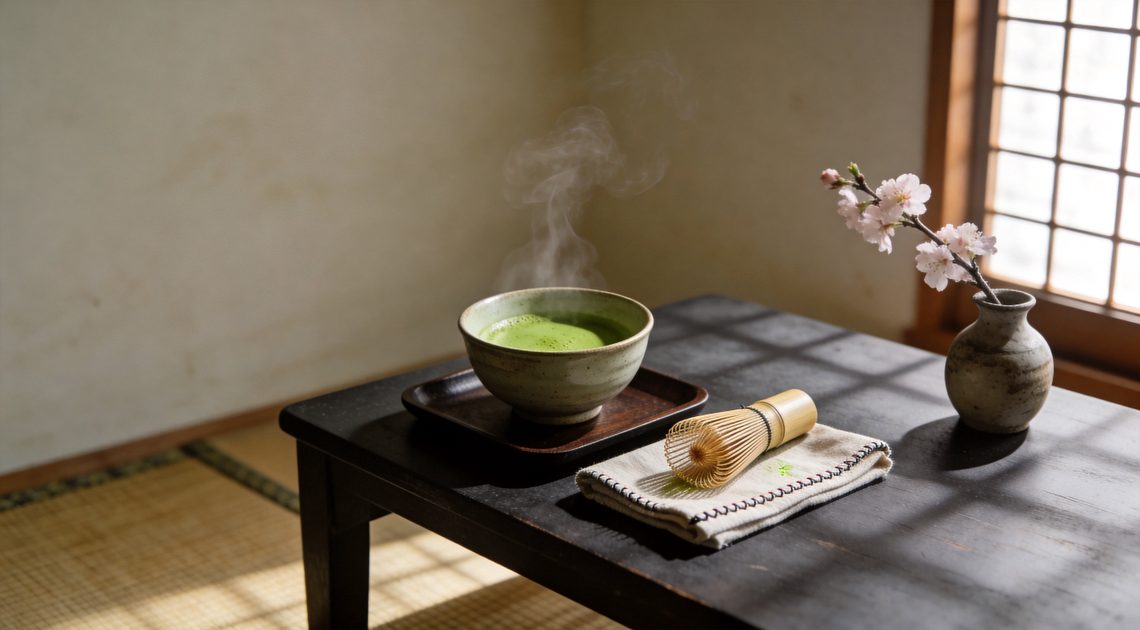
The phrase slow living conjures a certain set of images in the Western imagination. A sunlit kitchen with sourdough rising on the counter. A linen-clad figure walking through a meadow. A handwritten journal left open beside a cup of herbal tea. It looks peaceful. It also looks, at times, like a lifestyle brand — something you can purchase, curate, and perform on social media.
But beneath the aesthetic lies something older and far more substantive. The principles that animate slow living philosophy — presence, attention, the rejection of speed for its own sake — did not originate in a European farmhouse or a California wellness retreat. They have been cultivated for centuries in Eastern traditions, from the meditation halls of Zen monasteries to the quiet choreography of the Japanese tea ceremony.
What the West is now rediscovering, often without knowing its origins, is a relationship to time that Eastern traditions have never stopped practicing. This is not a trend. It is a return — to something that was always there, waiting to be remembered.
The Roots of Slow Living in Eastern Traditions
When the West began to industrialize, time became a resource. It was measured, optimized, and monetized. The factory whistle and the punch clock divided days into units of productivity. To be idle was to be wasteful. To be busy was to be virtuous.
Eastern traditions never fully adopted this view. In Zen monasteries, time was not a commodity but a medium for practice. Monks swept the same courtyard every morning — not because it was dirty, but because sweeping itself was the practice. The act was not a means to an end. The act was the point.
This is the first and most radical insight of slow living Eastern roots: that time can be lived rather than spent. That a moment does not need to produce something to be valuable. That presence, not productivity, is the measure of a life well-lived.
In Zen mindfulness, this insight is cultivated through zazen — seated meditation — but also through every ordinary activity. Cooking. Cleaning. Walking. Eating. Each gesture, done with full attention, becomes a small ceremony. The Zen teacher Thich Nhat Hanh called this "washing the dishes to wash the dishes" — not rushing through the task to get to the next thing, but being fully present for the warm water, the soap, the movement of the hands. This is the quiet heart of slow living philosophy, long before the term existed.
The Tea Ceremony as a Practice of Intentional Time
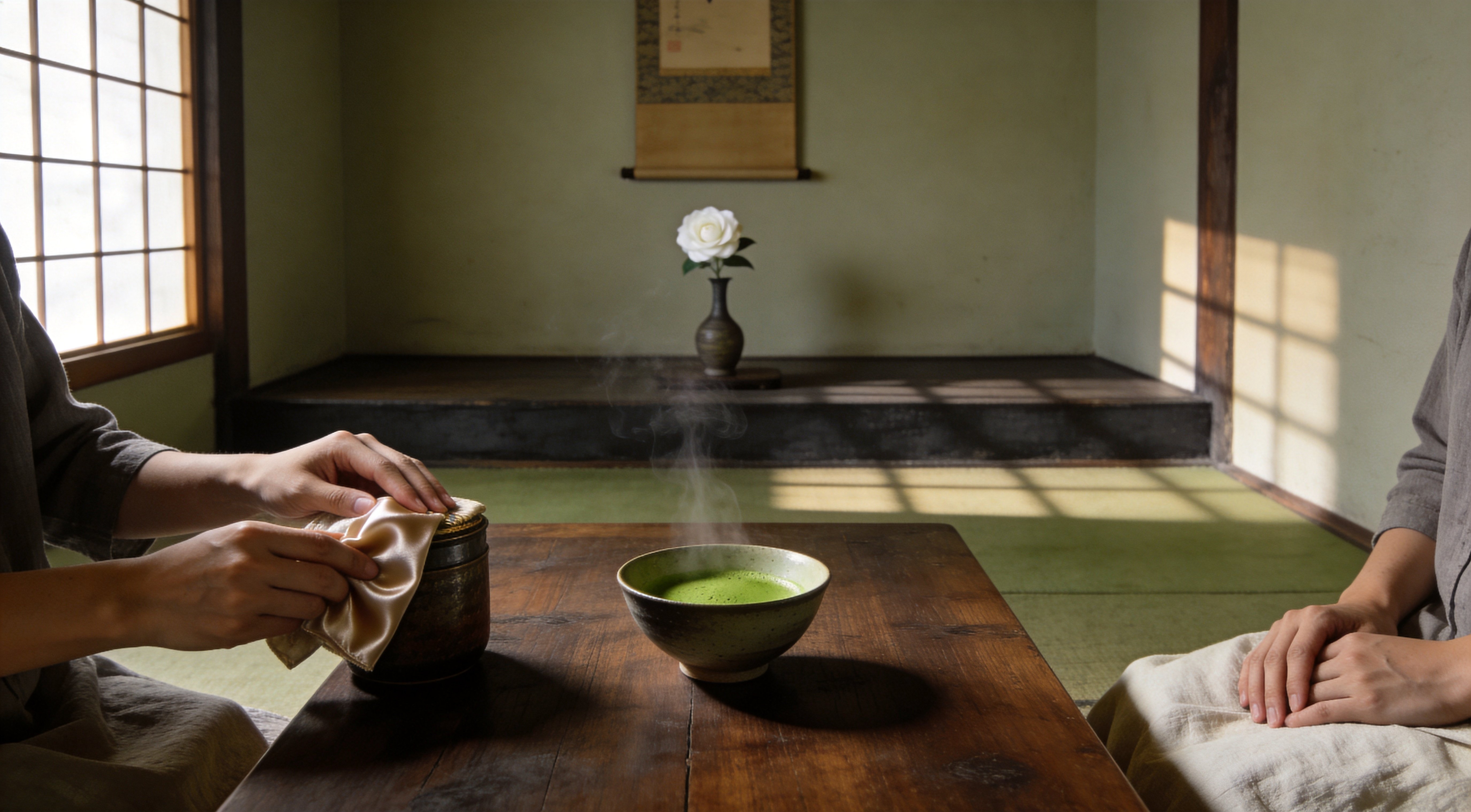
Nowhere is the Eastern understanding of intentional time more beautifully embodied than in the Japanese tea ceremony, or chanoyu. A formal tea gathering can last up to four hours. In that time, a small group of people will share a single bowl of matcha. Every gesture — the wiping of the tea container, the whisking of the powder, the turning of the bowl — is performed with precise, unhurried attention.
To a Western observer raised on efficiency, this seems almost perverse. Four hours for a bowl of tea? What could possibly justify such an expenditure of time?
The answer is that the tea ceremony is not really about the tea. It is about creating a space where time itself feels different — thicker, slower, more saturated with presence. The host and guests enter into an unspoken agreement: for these hours, we will not rush. We will not check our phones. We will not think about what comes next. We will be exactly here, together, in this room that will never exist again in quite this way.
This is the principle of ichigo ichie — one time, one meeting. It is the recognition that every moment is unrepeatable, and that the only reasonable response to such a truth is to pay full attention. This principle is at the very core of slow living Eastern roots, and it predates the Western slow movement by centuries.
What the West Is Rediscovering
In recent years, the West has seen a surge of interest in slow living philosophy — from the slow food movement that began in Italy to the broader rejection of hustle culture and burnout. Books on simplicity and presence top bestseller lists. People are leaving high-pressure jobs in search of quieter, more meaningful rhythms.
What many of these seekers are discovering is that the path they are looking for has already been mapped. Zen mindfulness, with its emphasis on direct experience and present-moment awareness, offers a practical framework for slowing down — not as an escape from life, but as a deeper engagement with it. The tea ceremony offers a model for treating everyday rituals — morning coffee, evening tea, a shared meal — as small ceremonies worthy of attention. The concept of ma — meaningful emptiness — offers permission to leave space in the day, to resist the urge to fill every hour with activity.
These are not new ideas, but they feel new to a culture that has spent generations equating speed with progress. The rediscovery of intentional time is, in many ways, a rediscovery of what Eastern traditions have been quietly practicing and preserving for centuries.
How to Practice Intentional Time, Starting Now
You do not need to move to a monastery or master the tea ceremony to begin practicing intentional time. The practice is available in the next ordinary moment — the cup of tea you are about to make, the walk you are about to take, the meal you are about to eat.
Choose one activity each day and do it slowly. Not inefficiently — slowly. With attention. If it is tea, boil the water and listen to the sound. Warm the cup in your hands. Smell the leaves before you add the water. Drink the first sip as if it were the only sip. If it is walking, put the phone in your pocket and feel your feet meet the ground. Notice the quality of the light, the temperature of the air, the rhythm of your own breath.
This is the essence of slow living Eastern roots — not a lifestyle to perform, but a way of being present for the life you already have. The traditions that carried this wisdom across centuries are still here. They are available. They do not demand that you become someone else. They only ask that you pay attention.
And in a world that profits from your distraction, paying attention may be the most intentional act of all.
No letters yet — be the first to write.