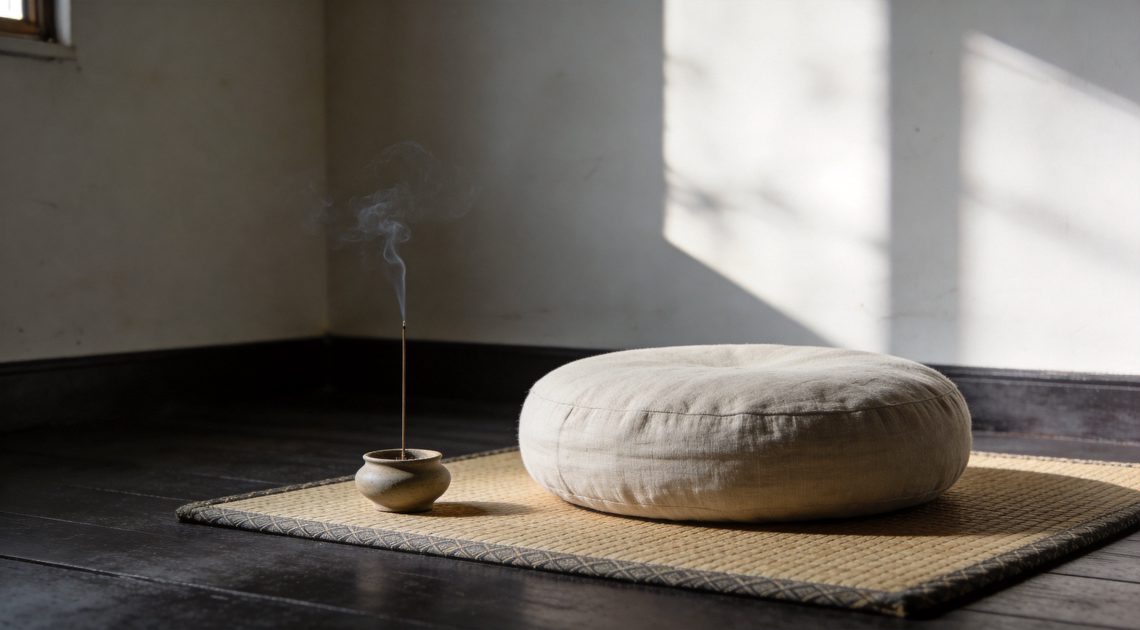
Somewhere along the way, Zen became a marketing word. It sells candles, closet organizers, productivity apps, and minimalist furniture lines. There are books promising "Zen habits" for entrepreneurs and articles offering "10 Zen hacks" for your morning routine. The word has been stretched so thin that it now seems to mean little more than "calm and uncluttered."
This is not a victimless dilution. When a spiritual tradition with over a thousand years of depth is reduced to an aesthetic preference for bare surfaces, something real is lost. Not just for the cultures that steward that tradition, but for the person who might have found genuine refuge in its actual teachings.
This beginner's guide to Zen is an attempt to return to the source. Not as an academic treatise. Not as a conversion attempt. But as an honest answer to the question: what is Zen, really — and what might it offer someone seeking more than just a tidy living room?
What Zen Is Not
Let us clear the ground first. Zen is not minimalism. It is not the pursuit of an empty room or a blank calendar. A person can live in a stark white apartment with no possessions and still be consumed by restlessness, craving, and distraction. Outer simplicity does not guarantee inner stillness.
Zen is not a productivity system. It will not help you optimize your morning routine or crush your quarterly goals. In fact, Zen teachings often point in the opposite direction — toward letting go of the constant drive to achieve, to improve, to become something other than what you already are.
Zen is not a set of aesthetic rules. A room decorated in beige and natural wood is not "Zen" simply because it looks calm. The word describes a quality of attention, not a color palette. Confusing the two is like calling a book spiritual because its cover is beige.
And yet, these misunderstandings persist — largely because what is Zen has been answered too many times by people who have never sat zazen, never studied with a teacher, never encountered the tradition beyond a Pinterest board. This guide offers a different starting point.
Where Zen Comes From
Zen Buddhism traces its roots to India, where the historical Buddha taught a path of awakening grounded in meditation and ethical living. The tradition traveled through China, where it merged with Daoist sensibilities and became Chan Buddhism, then to Japan, where it took the name Zen. Along the way, it absorbed and transformed — embracing the direct, the intuitive, the unspoken.
The word Zen itself comes from the Chinese Chan, which derives from the Sanskrit dhyana — simply meaning "meditation." At its core, Zen practice is about sitting down, shutting up, and paying attention to what is actually happening. Not what you wish were happening. Not the story you are telling yourself about what is happening. Just this. Right here. Right now.
The great Zen teacher Shunryu Suzuki put it plainly: "Zen is not some kind of excitement, but concentration on our usual everyday routine." The profundity is in the ordinary. A cup of tea. A breath. A step.
The Practice of Presence
If you were to visit a Zen for beginners session at a temple or practice center, nobody would hand you a decluttering checklist. They would show you how to sit. They would teach you to follow your breath. They would invite you, gently, to notice how relentlessly the mind produces thoughts — and to practice letting those thoughts pass without clinging to them.
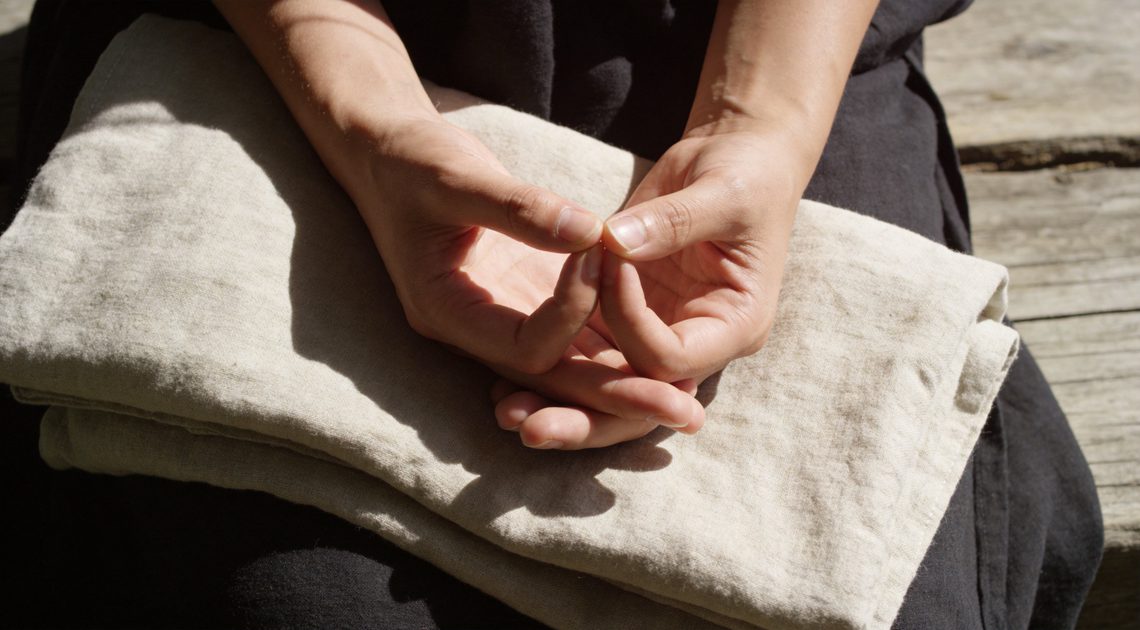
This is zazen, seated meditation. It is not about emptying the mind. It is about changing your relationship to what the mind does. Thoughts arise. You notice them. You let them go. You return to the breath. Over and over. This is the practice. It is simple. It is also, in a culture addicted to stimulation, quietly radical.
Over time, something begins to shift. Not dramatically — Zen does not promise sudden enlightenment — but subtly. You become more aware of your own patterns. You react less and respond more. You notice the light through a window, the texture of silence, the weight of a ceramic cup in your hands. You start to live with more presence, not because you have decluttered your closet, but because you have begun to train your attention.
Living Zen, Not Performing It
Here is the quiet truth at the heart of any beginner's guide to Zen: you do not need to become anything other than what you already are. The practice does not ask you to adopt a new identity or perform tranquility for an audience. It asks you to pay attention. To sit still. To meet your life as it actually is, not as you wish it were.
This is why the aesthetic misreading of Zen is not just inaccurate — it is counterproductive. If you believe Zen is about having a perfectly tidy home, you will feel like a failure every time life gets messy. And life gets messy. Zen knows this. It meets the mess with presence, not with a label maker.
A Zen practice can include a meditation cushion, a quiet corner, a small altar with a single flower. But it can also include a crowded subway car, a difficult conversation, a sink full of dishes. The object of practice is not the environment. It is the mind that meets the environment.
Where to Begin
If you are curious — genuinely curious, not trend-curious — here is a simple place to start. Find ten minutes tomorrow morning. Sit in a comfortable but upright posture. Breathe naturally. Pay attention to the breath as it enters and leaves your body. When thoughts come, and they will, simply notice them and return to the breath.
That is it. That is the foundation of Zen practice. Not a lifestyle brand. Not a design trend. A way of being present — for your own life, as it unfolds, one breath at a time.
The rest is commentary.


No letters yet — be the first to write.