Guanyin Buddha: The Bodhisattva of Compassion in Your Home
The guanyin buddha is one of the most beloved and recognizable figures in East Asian spirituality. Known as the bodhisattva of compassion, Guanyin embodies mercy, kindness, and the willingness to hear the cries of the world. For centuries, devotees and art lovers alike have brought depictions of this serene being into their homes as a reminder to live with an open heart. A statue or image of Guanyin does more than decorate a corner — it invites a quiet presence that can shift the energy of an entire room.

The Story of Guanyin
Originally a male figure in early Buddhist texts as Avalokiteśvara, Guanyin transformed over centuries into a female form in Chinese tradition — a mother-like figure of boundless compassion. She is often shown holding a willow branch for healing, a vase of pure water, or a lotus flower. Her thousand arms represent her ability to reach out to all beings in need. Unlike some deities that feel distant, Guanyin feels approachable. She listens. She cares. This human-like warmth is why the guanyin buddha is so often placed in meditation rooms, entryways, and gardens.
Symbolism in the Guanyin Buddha Figure
Every detail of a guanyin buddha carries meaning. The serene half-closed eyes suggest inward reflection. The gentle smile speaks of unconditional kindness. If she holds a baby, she is known as the Child-Giving Guanyin, often prayed to for fertility or family harmony. The flowing robes and graceful posture symbolize fluidity and adaptability — qualities we can all cultivate. When you choose a guanyin buddha for your home, you are not just buying a statue; you are selecting a daily reminder to embody these virtues. The material also matters: white porcelain evokes purity, while dark wood brings warmth and grounding.
Placing Guanyin in Your Home
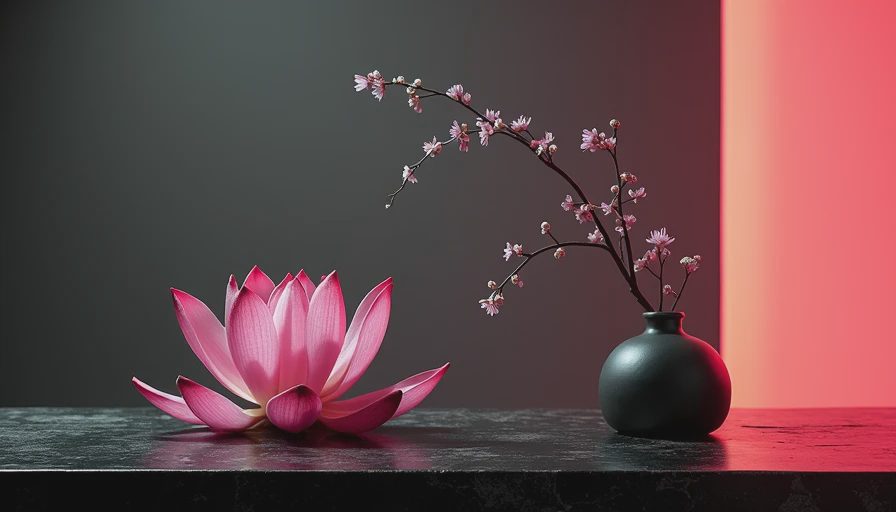
Where you position your guanyin buddha matters. Traditionally, she is placed facing the entrance to watch over those who enter, or in a quiet spot where you can pause and reflect. A low shelf, a windowsill with soft light, or a dedicated altar work beautifully. Avoid placing her directly on the floor or in cluttered areas. Let the space around her breathe — a single flower, a candle, or a small dish of water as an offering can deepen the practice. The goal is not to create a museum display but a living focal point for mindfulness. Over time, this simple arrangement becomes a ritual anchor in your daily life.
Choosing the Right Guanyin Buddha
Guanyin buddha statues come in many materials — wood, ceramic, resin, jade, bronze. Each carries its own energy. A wooden statue feels warm and grounded; a white ceramic one feels pure and serene. If you place it outdoors, choose stone or bronze that can weather the elements. Size matters too: a small figure on a desk can be a private reminder, while a larger one anchors a room. When you find the right one, you will know — something in the stillness will speak to you. Trust that instinct. A carefully chosen guanyin buddha becomes a companion on your journey toward compassion.
Living With Guanyin: More Than Decor
A guanyin buddha is not meant to be admired from a distance. Its purpose is to gently steer your mind toward kindness throughout the day. In Zen practice, the figure is a support for meditation — a visual anchor when your thoughts wander. Over time, simply glancing at your statue can trigger a deeper breath, a softening of the shoulders, a small reset. This is the quiet power of having a sacred object in your home: it does the work even when you are not looking.
Guanyin in Daily Ritual
Consider incorporating the guanyin buddha into simple daily rituals. Light a tea light in front of her each morning. Offer a few drops of fresh water as a symbol of purification. Or simply sit in silence for two minutes before her, letting her serene expression guide your mind. These small acts build a rhythm of mindfulness. They transform a decorative figure into a living presence. The guanyin buddha becomes a silent teacher, reminding you that compassion begins at home — with yourself, with your family, with everyone who crosses your threshold.
Frequently Asked Questions About Guanyin Buddha
Can I place a guanyin buddha in my bedroom? Yes, as long as it is in a clean, respectful spot — not on the floor or facing a bathroom. A bedside table or dresser can work, especially if you want her peaceful energy nearby during rest.
Do I need to be Buddhist to own a guanyin buddha? Not at all. Many people appreciate her as a symbol of compassion, serenity, and mindfulness regardless of religious background. She transcends doctrine.
How do I clean my guanyin buddha statue? Dust gently with a soft cloth. For deeper cleaning, use a damp cloth without soap — avoid harsh chemicals. Treat the statue as you would any treasured object.
What if the statue breaks? In Buddhist tradition, a broken statue is not considered bad luck. It simply means its physical form has served its purpose. You can repair it, bury it in a clean place, or respectfully dispose of it.
So whether you are drawn to Guanyin for her beauty, her symbolism, or her spiritual significance, bringing a guanyin buddha into your space is an intentional act. It says: I want compassion to be part of my everyday life. And that intention, repeated daily, can transform a house into a sanctuary.

No letters yet — be the first to write.